




Introduction
The digital gaming landscape has evolved at lightning speed. What once required physical presence has now shifted into immersive online environments that operate 24/7. Among emerging platforms drawing user curiosity is gacor-sip777.it.com. While the name itself may sound technical or niche, the growing interest around such platforms reflects a larger transformation happening in online entertainment.
- Introduction
- The Rise of Digital Gaming Ecosystems
- Platform Structure and User Interface Design
- Security Measures and Data Protection
- Performance, Speed, and Reliability
- User Experience and Accessibility
- Responsible Engagement and Digital Awareness
- Evaluating Credibility and Transparency
- Quick Overview Table
- FAQs
- Conclusion
Modern users aren’t just looking for games. They want smooth interfaces, secure transactions, transparency, responsive support, and fair play systems. That’s the baseline expectation today. Platforms that succeed are those that combine accessibility with user trust.
In this article, we’ll explore the structure, potential features, safety considerations, and digital trends that surround platforms like gacor-sip777.it.com. Rather than hype or speculation, this guide focuses on informed understanding. If you’re researching digital gaming ecosystems, you’re in the right place.
The Rise of Digital Gaming Ecosystems

Online gaming ecosystems didn’t appear overnight. They evolved through technological upgrades, increasing internet accessibility, and the widespread use of smartphones. Today’s platforms integrate payment systems, live data tracking, interactive dashboards, and real-time updates.
The growth is fueled by three primary factors:
Improved broadband infrastructure
Mobile-first accessibility
User demand for convenience
Modern platforms aim to provide seamless navigation. Menus are simplified. Game categories are clearly structured. User dashboards display real-time activity summaries. This shift toward usability has redefined expectations.
Digital ecosystems now operate more like service platforms rather than standalone websites. They rely on backend systems, security protocols, and automated monitoring tools. As users explore platforms in this space, understanding how ecosystems function becomes essential. Technology isn’t just supporting the experience — it defines it.
Platform Structure and User Interface Design
A well-structured platform feels intuitive from the first click. Navigation menus should guide users without confusion. Categories must be clearly separated. Buttons need to be responsive and properly labeled.
The structure typically includes:
Homepage dashboard
User account management area
Activity history section
Support or help center
Payment or transaction portal
User interface design plays a crucial role in engagement. Clean layouts reduce friction. Consistent color schemes improve readability. Responsive design ensures compatibility across devices.
Poor structure leads to user frustration. Broken links, cluttered pages, or slow loading times damage trust quickly. On the other hand, a streamlined interface increases session duration and repeat visits.
Digital gaming platforms increasingly adopt minimalist layouts. Instead of overwhelming users with information, they prioritize clarity. When evaluating any platform, structure is one of the first indicators of credibility.
Security Measures and Data Protection
Security is non-negotiable in online environments. Any platform handling user accounts or transactions must implement robust protection systems.
Core security components often include:
SSL encryption
Two-factor authentication
Secure payment gateways
Data encryption protocols
Without these layers, user information becomes vulnerable. Cybersecurity threats evolve constantly, which means platforms must update systems regularly.
Users should also play their part. Strong passwords, private browsing awareness, and cautious transaction behavior reduce personal risk.
Transparent platforms typically display security badges, encryption certificates, or policy pages outlining their data handling practices. If such transparency is missing, that’s worth noting.
Digital trust is built through visible security commitments. In today’s environment, users expect protection by default — not as an optional feature.
Performance, Speed, and Reliability
Speed defines user satisfaction. A delay of even a few seconds can cause users to abandon a page. Performance optimization has become central to platform development.
Reliable platforms maintain:
Fast loading times
Stable server performance
Minimal downtime
Efficient database processing
Performance testing tools help monitor uptime and responsiveness. High traffic periods can strain servers, so scalability becomes essential.
Cloud hosting solutions are increasingly common because they offer dynamic scaling. Instead of crashing during peak hours, systems automatically allocate additional resources.
Consistency matters more than occasional spikes in speed. Users prefer steady reliability over unpredictable performance.
When exploring gacor-sip777.it.com, performance indicators such as page responsiveness and server stability should be part of the evaluation process. Smooth functionality often reflects deeper technical investment behind the scenes.
User Experience and Accessibility
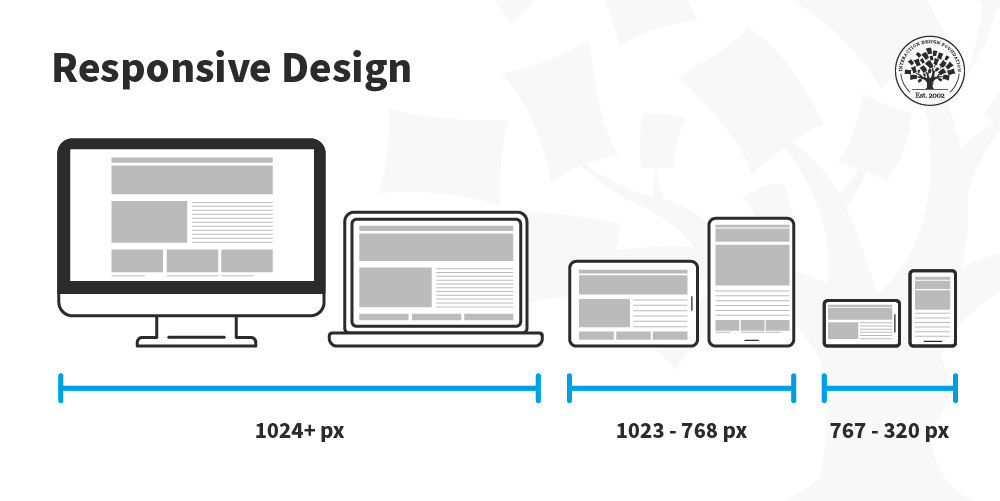
User experience goes beyond appearance. It includes accessibility, navigation flow, readability, and interaction ease.
Accessibility features might involve:
Mobile compatibility
Adjustable text sizes
Clear typography
Logical page hierarchy
A platform that works smoothly on both desktop and mobile devices reaches a wider audience. Since mobile usage continues to dominate global internet access, optimization is no longer optional.
User experience testing helps identify friction points. Developers often analyze user behavior data to refine layouts and improve flow.
An accessible platform respects diversity in users. Clear instructions, simple terminology, and transparent processes make the environment more inclusive.
Ultimately, user experience determines whether visitors return or leave permanently.
Responsible Engagement and Digital Awareness
Online entertainment requires responsible participation. Whether exploring gaming environments or other interactive platforms, moderation is key.
Healthy digital habits include:
Setting time limits
Monitoring spending behavior
Avoiding impulsive decisions
Taking regular breaks
Responsible platforms often provide tools such as activity tracking or voluntary limits. Awareness empowers users to make informed choices.
Digital literacy is just as important. Understanding how systems work reduces unrealistic expectations. Platforms are designed for entertainment, not guaranteed outcomes.
Encouraging responsible use benefits both users and platform operators. Sustainable engagement builds long-term trust rather than short-term spikes.
Being informed, cautious, and balanced ensures that digital exploration remains positive.
Evaluating Credibility and Transparency
Before engaging deeply with any platform, credibility checks are essential. Transparency separates legitimate services from questionable ones.
Indicators of credibility include:
Clear terms and conditions
Visible contact information
Documented policies
Secure payment integrations
Reviews and user feedback can offer additional insights, though they should be evaluated critically. Not all online commentary reflects objective experiences.
Professional platforms invest in branding consistency and communication clarity. They avoid exaggerated claims and focus on delivering functional value.
Trust grows gradually. It’s built through consistent reliability, open policies, and responsive support.
When researching digital platforms in this niche, thorough evaluation protects both time and resources.
Quick Overview Table
| Feature Area | What to Look For | Why It Matters |
|---|---|---|
| Security | SSL, encryption, authentication | Protects user data |
| Performance | Fast loading, stable servers | Ensures smooth experience |
| Interface Design | Clean layout, easy navigation | Reduces user frustration |
| Accessibility | Mobile-friendly, readable text | Expands usability |
| Transparency | Clear policies, contact information | Builds trust |
| Responsible Tools | Activity monitoring, usage limits | Promotes healthy engagement |
FAQs
1. Is gacor-sip777.it.com accessible on mobile devices?
Most modern platforms prioritize mobile responsiveness. Checking compatibility on different devices is recommended before regular use.
2. How can users verify platform security?
Look for HTTPS encryption, security certificates, and clear privacy policies displayed on the website.
3. What makes a digital platform reliable?
Consistent uptime, transparent policies, responsive support, and secure transaction systems contribute to reliability.
4. Why is responsible engagement important?
It helps maintain balance, reduces risk of excessive usage, and promotes healthier digital habits.
5. What should users review before registering?
Terms and conditions, payment policies, data protection measures, and user reviews should all be examined carefully.
Conclusion
The digital entertainment environment continues to expand rapidly. Platforms like gacor-sip777.it.com exist within a broader ecosystem shaped by technology, user expectations, and security standards.
Understanding structure, performance, accessibility, and transparency allows users to evaluate platforms wisely. Instead of relying on assumptions or hype, informed decision-making creates safer and more satisfying experiences.
As technology evolves, user awareness must evolve alongside it. A balanced approach — combining curiosity with caution — remains the smartest way to navigate modern online platforms.