





Introduction
The fashion industry is evolving rapidly, blending creativity, technology, and consumer-centric strategies. Among emerging concepts shaping this transformation is pamiszovid, a framework that integrates innovation, operational efficiency, and strategic foresight into design and branding.
Pamiszovid represents more than a methodology; it embodies a mindset that encourages designers and brands to adapt to shifting trends, market demands, and sustainability challenges. From luxury fashion houses to streetwear labels, its principles are influencing product development, marketing strategies, and digital engagement.
This article provides a fully informative exploration of pamiszovid in fashion, covering its impact on design innovation, brand identity, production processes, consumer experience, digital transformation, trend forecasting, and sustainability, offering a fresh perspective on modern style business practices.
Innovative Design Approaches

Modern fashion thrives on innovation, blending creativity with functionality to produce distinctive collections. Designers continually explore new materials, silhouettes, and concepts that resonate with evolving consumer preferences.
Pamiszovid emphasizes structured creative processes, encouraging experimentation while maintaining a strategic vision. By integrating research, trend analysis, and cultural insights, designers can anticipate market demands and craft designs that are both unique and commercially viable.
Innovation also includes sustainable materials, smart textiles, and tech-enabled garments. Through this framework, fashion brands can achieve differentiation, strengthen market positioning, and cultivate loyal audiences while maintaining the flexibility to adapt to new trends and consumer expectations.
Trend Forecasting and Market Adaptation
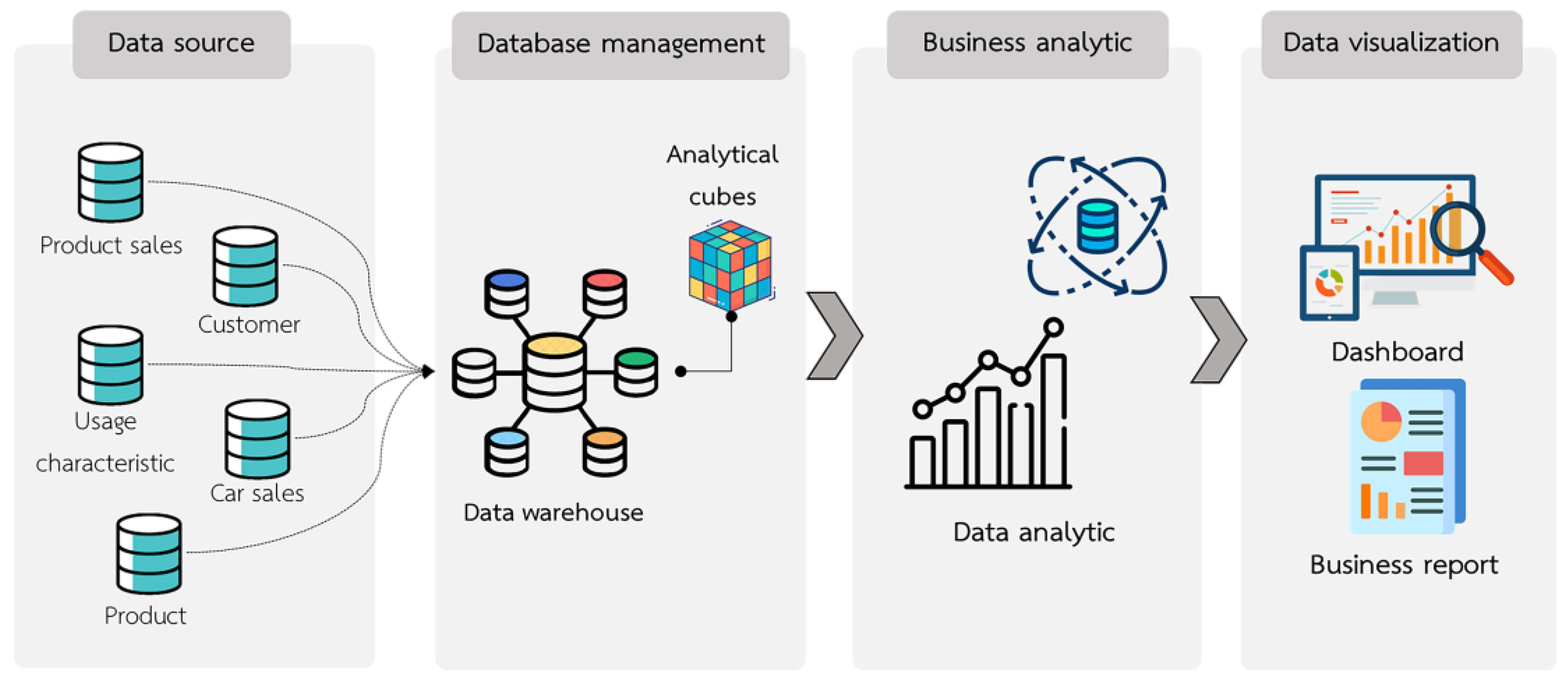
Predicting trends is essential for fashion brands seeking to remain relevant and competitive. Accurate forecasting allows companies to anticipate consumer preferences and plan collections accordingly.
Pamiszovid encourages the use of analytics, cultural insights, and historical market patterns to identify emerging styles. Brands can adjust production, marketing, and merchandising strategies to align with projected trends.
Flexible design pipelines enable rapid response to shifts in color palettes, silhouettes, and lifestyle influences. By integrating structured trend analysis into creative workflows, fashion companies can minimize risk, optimize inventory, and ensure that collections resonate with target audiences while maintaining brand identity.
Sustainable Fashion Practices
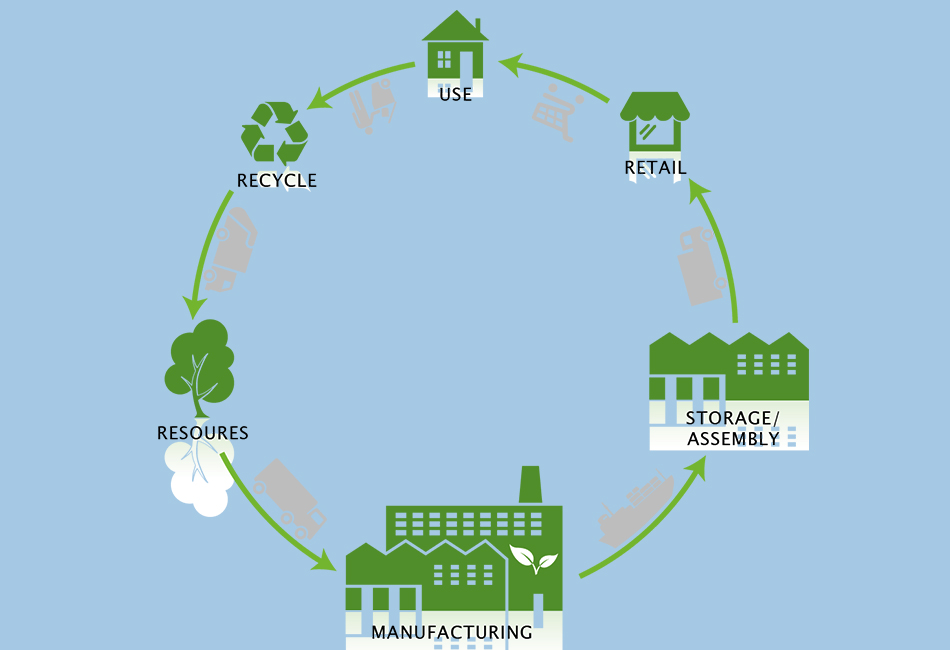
Sustainability has become a critical focus in the fashion industry. Consumers increasingly demand ethical production practices, eco-friendly materials, and transparent supply chains.
Pamiszovid incorporates sustainability into design, sourcing, and operational decisions. Brands prioritize organic fabrics, recycled materials, and low-impact dyeing techniques. Efficient production processes reduce waste and energy consumption.
By integrating environmental responsibility into their strategy, fashion companies not only appeal to conscious consumers but also enhance long-term brand credibility. Sustainable practices contribute to a positive social impact while maintaining profitability and relevance in an increasingly competitive market.
Brand Identity and Storytelling

A strong brand identity is crucial for differentiation in the crowded fashion market. Beyond clothing, consumers seek emotional connections with brands that reflect values, aesthetics, and lifestyle.
Pamiszovid emphasizes strategic storytelling to convey brand ethos, heritage, and design philosophy. Through cohesive visuals, marketing campaigns, and social media narratives, fashion brands create memorable impressions.
Effective storytelling strengthens consumer loyalty, enhances perceived value, and encourages advocacy. By aligning every touchpoint—from product design to digital engagement—with brand narrative, companies can maintain authenticity while attracting diverse audiences and expanding market reach.
Digital Transformation and E-Commerce

Digital platforms are reshaping the fashion landscape, transforming retail, marketing, and consumer interaction. E-commerce, virtual showrooms, and social media enable brands to reach global audiences with speed and precision.
Pamiszovid emphasizes integrating technology into operations and engagement strategies. AI-powered personalization, virtual try-ons, and seamless online shopping enhance the consumer experience while boosting sales.
Data analytics inform inventory decisions, marketing campaigns, and trend responsiveness. Digital transformation allows brands to operate efficiently, engage dynamically with consumers, and maintain competitiveness in an increasingly digital marketplace.
Consumer Engagement and Experience

Pamiszovid emphasizes aligning marketing, service, and retail experiences with audience expectations. Interactive events, social media campaigns, and personalized recommendations enhance engagement and emotional connection.
By fostering two-way communication and creating memorable experiences, brands can build trust, increase retention, and encourage word-of-mouth promotion. Enhanced consumer experience strengthens overall brand equity and positions fashion companies for sustainable growth in competitive markets.
Innovation in Production and Supply Chains
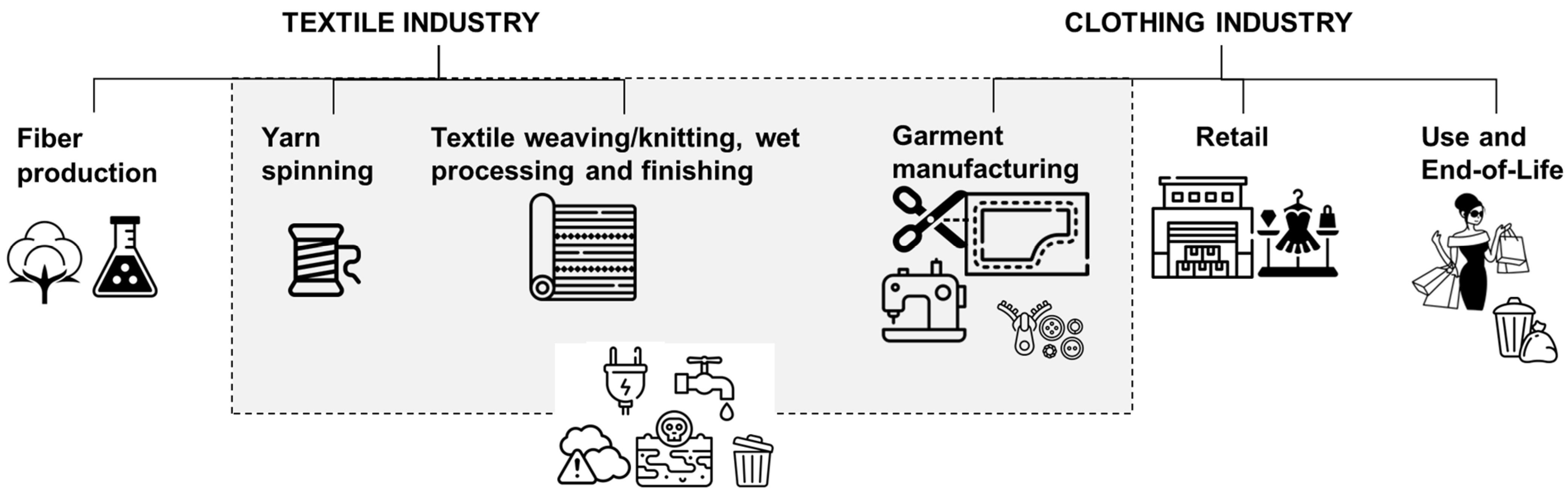
Pamiszovid encourages the integration of innovative logistics, lean manufacturing, and responsive supply chain systems. Real-time tracking, data-driven inventory management, and collaboration with ethical suppliers ensure timely and responsible production.
By optimizing production processes, brands can reduce waste, lower costs, and adapt quickly to emerging trends. This approach enhances operational resilience while supporting sustainability and consistent product quality.
Comparative Overview Table
| Category | Focus Area | Fashion Benefit |
|---|---|---|
| Design Innovation | Creative processes & materials | Differentiation & market relevance |
| Trend Forecasting | Analytics & cultural insights | Consumer alignment & reduced risk |
| Sustainability | Eco-friendly production | Ethical credibility & loyalty |
| Brand Identity | Storytelling & visual narrative | Emotional connection & recognition |
| Digital Integration | E-commerce & AI personalization | Global reach & efficiency |
| Consumer Engagement | Experiences & personalization | Loyalty & advocacy |
| Production & Supply Chain | Efficient & responsive systems | Cost reduction & adaptability |
FAQs
1. What does pamiszovid represent in fashion?
It is a framework combining innovation, strategy, sustainability, and operational efficiency for modern fashion brands.
2. How does it influence trend forecasting?
It integrates data analytics and cultural insights to anticipate consumer preferences and market shifts.
3. Can it enhance sustainability efforts?
Yes, by promoting eco-friendly materials, ethical production, and reduced waste.
4. How does it impact consumer engagement?
It encourages personalized experiences, immersive interactions, and brand loyalty.
5. Is it applicable to both luxury and streetwear brands?
Yes, its principles adapt to diverse fashion segments for innovation and market competitiveness.
Conclusion
Pamiszovid offers a holistic approach to modern fashion, merging innovation, sustainability, digital strategy, and consumer-focused practices. By integrating these principles, brands can differentiate themselves, respond to trends, and build loyal audiences.
From design innovation to supply chain optimization, pamiszovid equips fashion businesses with tools to navigate an evolving market while maintaining profitability and ethical responsibility. It represents a forward-thinking framework that strengthens brand identity, enhances operational efficiency, and ensures sustainable growth.