
Introduction
Email remains the backbone of digital communication. Whether you’re running a business, managing academic correspondence, or simply staying in touch with friends, reliable access to email is essential. Over time, web-based email platforms have evolved from basic inbox systems into dynamic productivity tools. One modern solution gaining attention is webmail fuse, a streamlined approach to accessing and managing email through the browser without relying heavily on installed software.
Unlike traditional desktop clients that require configuration and storage space, browser-based platforms allow users to log in from anywhere with an internet connection. This flexibility is particularly valuable for remote teams, freelancers, and organizations operating across multiple time zones.
In this guide, we’ll explore how webmail fuse works, its advantages, security framework, and best practices. You’ll also find a detailed comparison table and helpful FAQs to ensure you understand everything clearly.
1. The Evolution of Browser-Based Email Platforms

Email has come a long way since the early days of dial-up internet. In the 1990s, platforms like Hotmail introduced the concept of accessing email directly through a web browser. Later, services such as Yahoo Mail and Google’s Gmail refined the experience, adding storage expansion, advanced filtering, and intuitive user interfaces.
Webmail fuse builds upon this foundation. Instead of merely offering inbox access, it integrates streamlined controls, improved performance, and compatibility with various hosting providers. This approach reflects how modern users expect real-time syncing, mobile optimization, and minimal downtime.
As cloud computing matured, browser-based email became more reliable and scalable. Now, businesses prefer systems that reduce dependency on local installations. The evolution demonstrates one clear trend: convenience combined with security drives adoption.
2. Core Features and Functional Capabilities
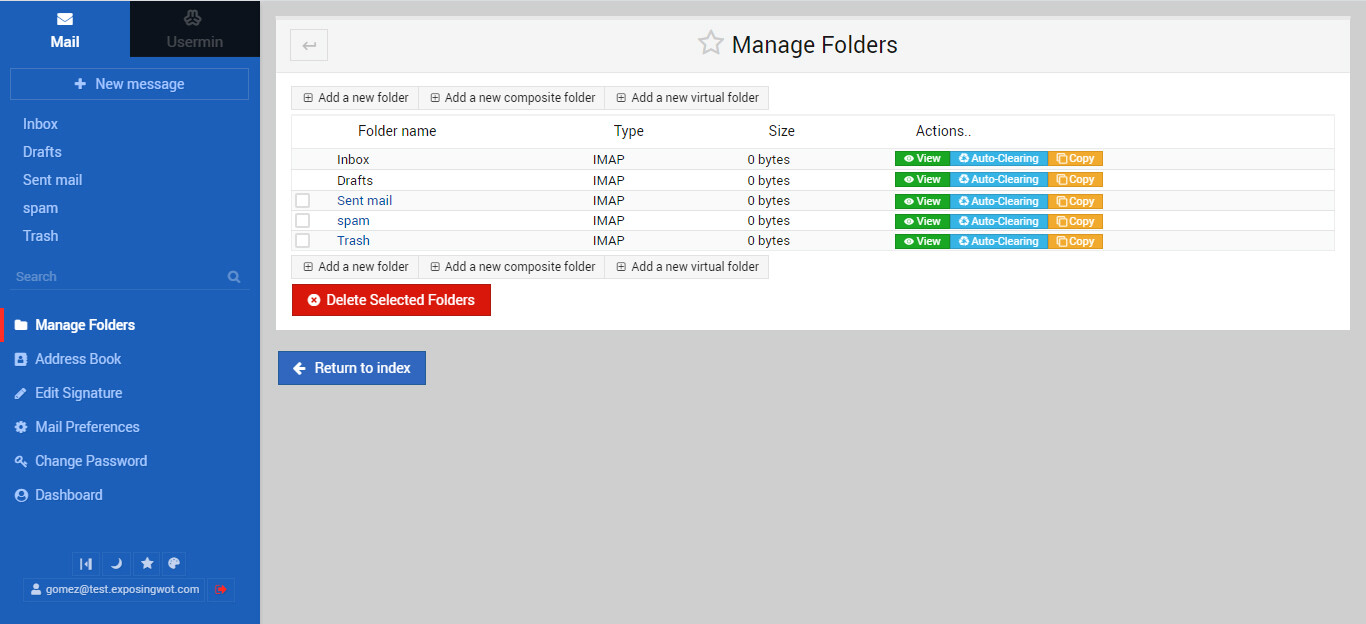
A key strength of webmail fuse lies in its balanced feature set. While simple in appearance, it delivers powerful tools behind the scenes. Users typically benefit from:
-
Unified Inbox Management: View multiple accounts within one interface.
-
Advanced Search Filters: Locate messages by date, keyword, or sender quickly.
-
Custom Folder Organization: Categorize communications for better clarity.
-
Spam Protection Systems: Intelligent filtering reduces unwanted messages.
-
Responsive Design: Seamless experience across desktops, tablets, and smartphones.
Another notable advantage is minimal configuration. Unlike software clients requiring IMAP or SMTP setup, browser access simplifies onboarding. For businesses, this reduces IT overhead. For individuals, it means instant usability.
By focusing on efficiency without overwhelming the interface, the platform ensures productivity remains front and center.
3. Security Framework and Data Protection

Security is non-negotiable in email systems. Cyber threats, phishing attacks, and data breaches are persistent concerns. Webmail fuse addresses these risks through encryption protocols and secure authentication methods.
Most systems operate under SSL or TLS encryption, ensuring that data transmitted between user and server remains confidential. Multi-factor authentication adds another protective layer by requiring verification beyond a password.
Regular updates and server monitoring further reduce vulnerabilities. Many hosting providers integrate firewall protections and anti-malware scanning. For organizations handling sensitive information, these measures are essential.
Users should still adopt best practices: strong passwords, routine updates, and awareness of suspicious attachments. Technology can provide safeguards, but informed usage completes the security chain.
4. Performance Optimization and Accessibility

Speed and accessibility define user satisfaction. A delayed inbox can disrupt workflow and create frustration. Webmail fuse leverages lightweight code and optimized server connections to deliver quick load times.
Accessibility is equally important. Because it operates within a browser, users can log in from nearly any device. There’s no dependency on a single computer or operating system. Whether on Windows, macOS, or Linux, access remains consistent.
Mobile responsiveness ensures touch-friendly navigation. This adaptability supports remote work trends and hybrid office models. When teams collaborate across continents, real-time communication becomes vital.
By reducing installation barriers and prioritizing speed, the system enhances flexibility without sacrificing reliability.
5. Integration with Hosting and Cloud Services
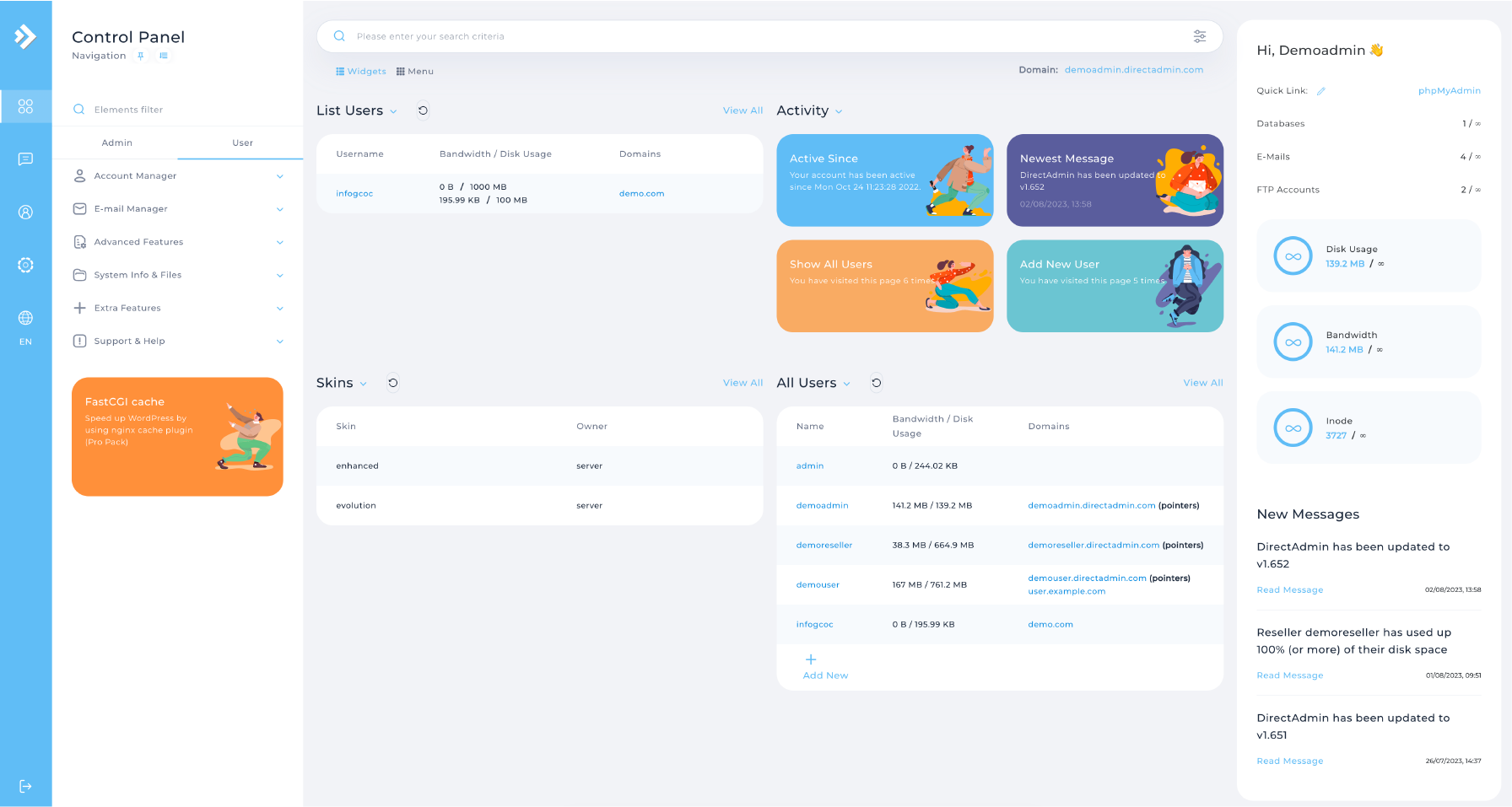
Modern email solutions rarely exist in isolation. Integration capabilities determine long-term viability. Webmail fuse commonly connects with shared hosting, VPS servers, and dedicated environments.
This compatibility allows businesses to maintain branded email addresses tied to their domain. It also ensures synchronization with cloud storage services and collaboration tools. Some setups support calendar integration, contact syncing, and task management features.
For small businesses, such integration centralizes communication and reduces dependency on multiple disconnected platforms. Enterprises benefit from scalable infrastructure that grows with operational demands.
Seamless hosting integration translates into streamlined administration, predictable uptime, and efficient data management.
6. User Experience and Interface Design
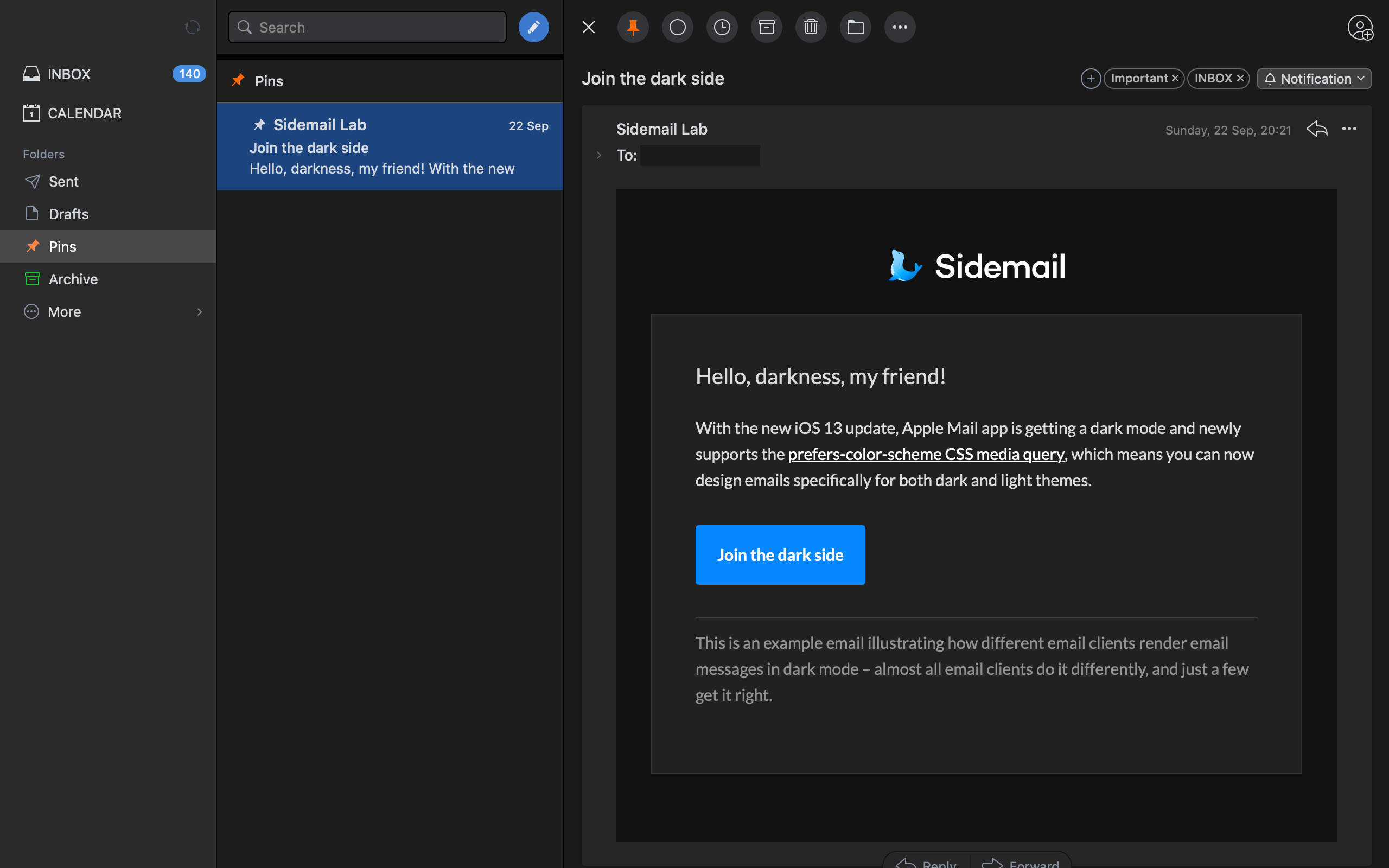
A cluttered interface can hinder productivity. Thoughtful design improves navigation and reduces cognitive load. Webmail fuse emphasizes clarity through structured layouts and customizable themes.
Users can often adjust display preferences, enable dark mode, or rearrange panels for comfort. Drag-and-drop functionality simplifies organization. Notifications remain subtle yet informative.
Consistency across devices strengthens usability. Whether accessing from a desktop monitor or a smartphone screen, the layout remains intuitive.
A well-designed interface does more than look attractive—it accelerates task completion. When email management feels natural, users spend less time searching and more time accomplishing goals.
7. Best Practices for Efficient Email Management
Even the most advanced system requires disciplined usage. To maximize efficiency:
-
Create Folder Structures: Categorize clients, projects, or departments.
-
Use Filters and Rules: Automate sorting to reduce manual work.
-
Archive Regularly: Maintain a clean inbox for better focus.
-
Enable Two-Factor Authentication: Strengthen security.
-
Schedule Email Time Blocks: Avoid constant distractions.
By combining these habits with the streamlined environment offered by webmail fuse, users achieve better organization and reduced stress.
Consistency in digital hygiene supports long-term productivity and security.
Comparison Table
| Feature | Traditional Desktop Client | Standard Webmail | Webmail Fuse |
|---|---|---|---|
| Installation Required | Yes | No | No |
| Device Accessibility | Limited to installed device | Any browser | Any browser |
| Setup Complexity | Moderate to High | Low | Low |
| Cloud Integration | Partial | Moderate | High |
| Security Features | Depends on software | Basic encryption | Advanced encryption + MFA |
| Maintenance Responsibility | User | Provider | Provider |
FAQs
1. Is web-based email secure for business use?
Yes, when paired with encryption and multi-factor authentication, it can meet professional security standards.
2. Do I need special software to access it?
No. Access occurs directly through a web browser.
3. Can it support custom domain addresses?
Most hosting providers allow integration with personalized domains.
4. What happens if my internet connection drops?
Access requires connectivity. However, messages remain stored on the server and are available once reconnected.
5. Is it suitable for large organizations?
With scalable hosting, it can accommodate growing teams and complex infrastructures.
Conclusion
Email continues to anchor digital communication across industries. As technology evolves, solutions that prioritize accessibility, performance, and security stand out. Webmail fuse reflects this progression by combining browser convenience with modern safeguards and integration capabilities.
Its streamlined design reduces setup complexity while supporting productivity through intuitive tools. For individuals, it offers flexibility. For businesses, it provides scalable infrastructure and centralized management.
By understanding its features, adopting best practices, and leveraging integration potential, users can transform routine email handling into an efficient, secure, and organized experience.